Successful dog training is about much more than teaching commands. At its core, effective training is based on understanding how dogs think, learn, and respond to the world around them. While people often expect dogs to naturally understand what they want, dogs learn through associations, repetition, and consequences. By understanding the basics of training psychology, owners can communicate more clearly and help their dogs learn more quickly and confidently.
Every interaction with your dog is an opportunity for learning, whether you realize it or not. Knowing how dogs process information allows you to encourage good behaviors while preventing unwanted habits from becoming established. Let’s dive in!
Dogs Learn Through Association
Unlike humans, dogs do not reason through complex explanations. Instead, they learn by connecting one event with another. If a particular behavior consistently leads to a positive outcome, your dog becomes more likely to repeat that behavior.
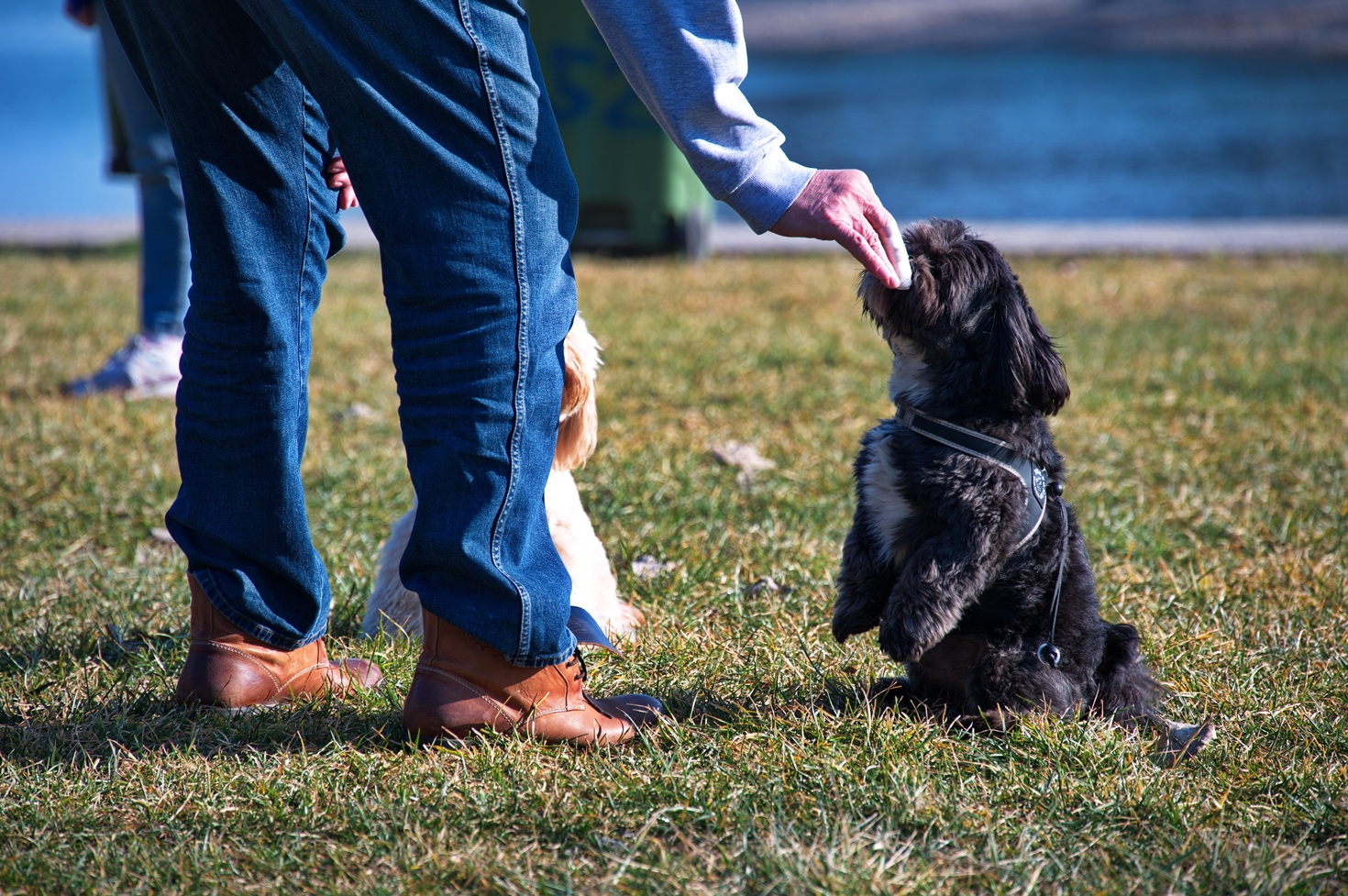
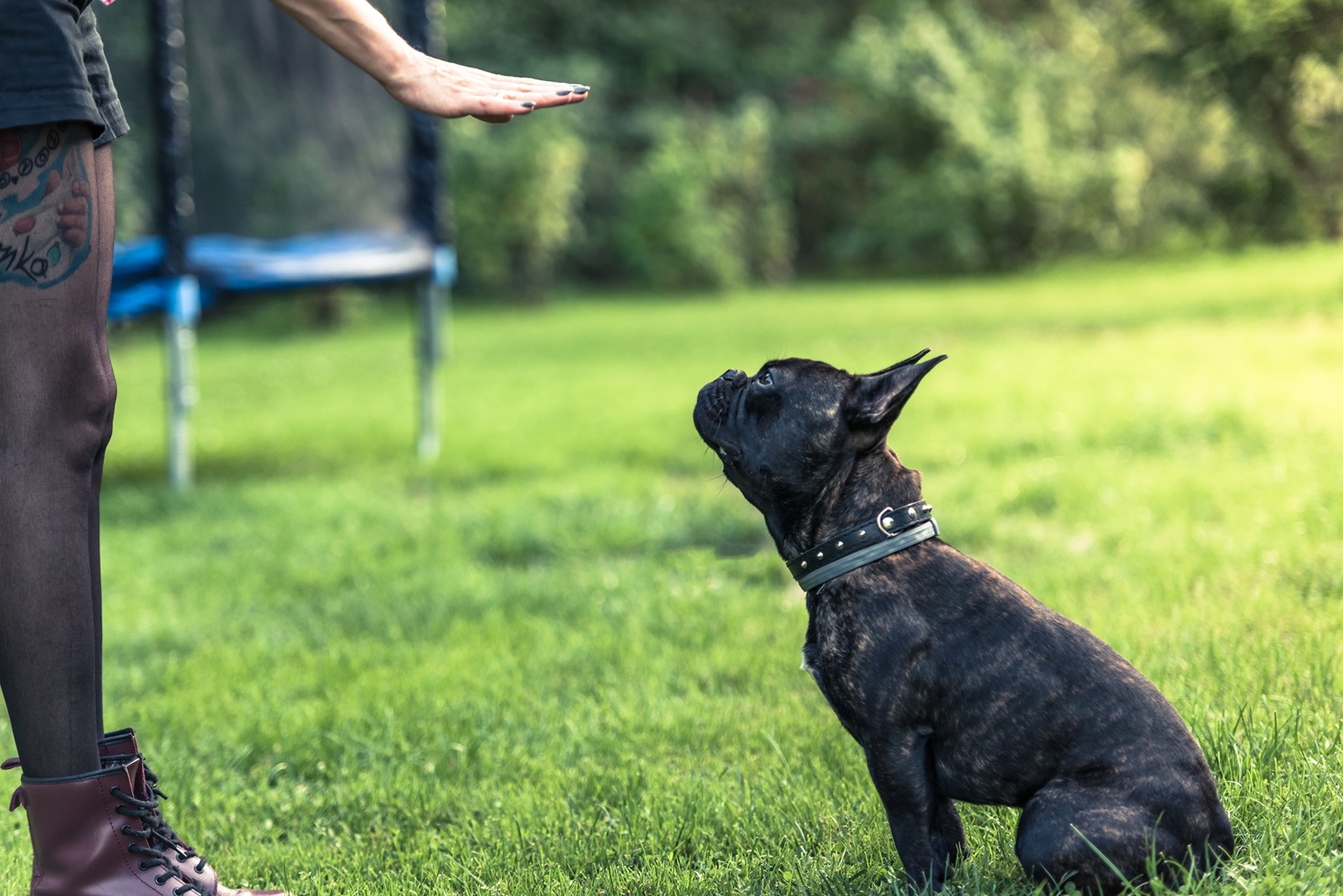
For example, if your dog sits and immediately receives praise or a treat, they begin associating sitting with something enjoyable. Over time, that connection becomes stronger until the behavior becomes automatic when the cue is given.
The same process can work in the opposite direction. If jumping on guests results in attention, even negative attention, the dog may continue jumping because the behavior still produces a rewarding outcome.
Understanding these associations is one of the foundations of successful training.
Timing Is Critical
Dogs live very much in the present moment. They make connections between behaviors and consequences within seconds, not minutes.
This means rewards should be delivered immediately after the desired behavior occurs. Likewise, if a correction or interruption is appropriate, it must happen at the moment the unwanted behavior occurs to be meaningful.
If several seconds pass before responding, your dog may associate the reward or correction with an entirely different action. Consistent timing helps eliminate confusion and speeds up learning.
Motivation Drives Learning
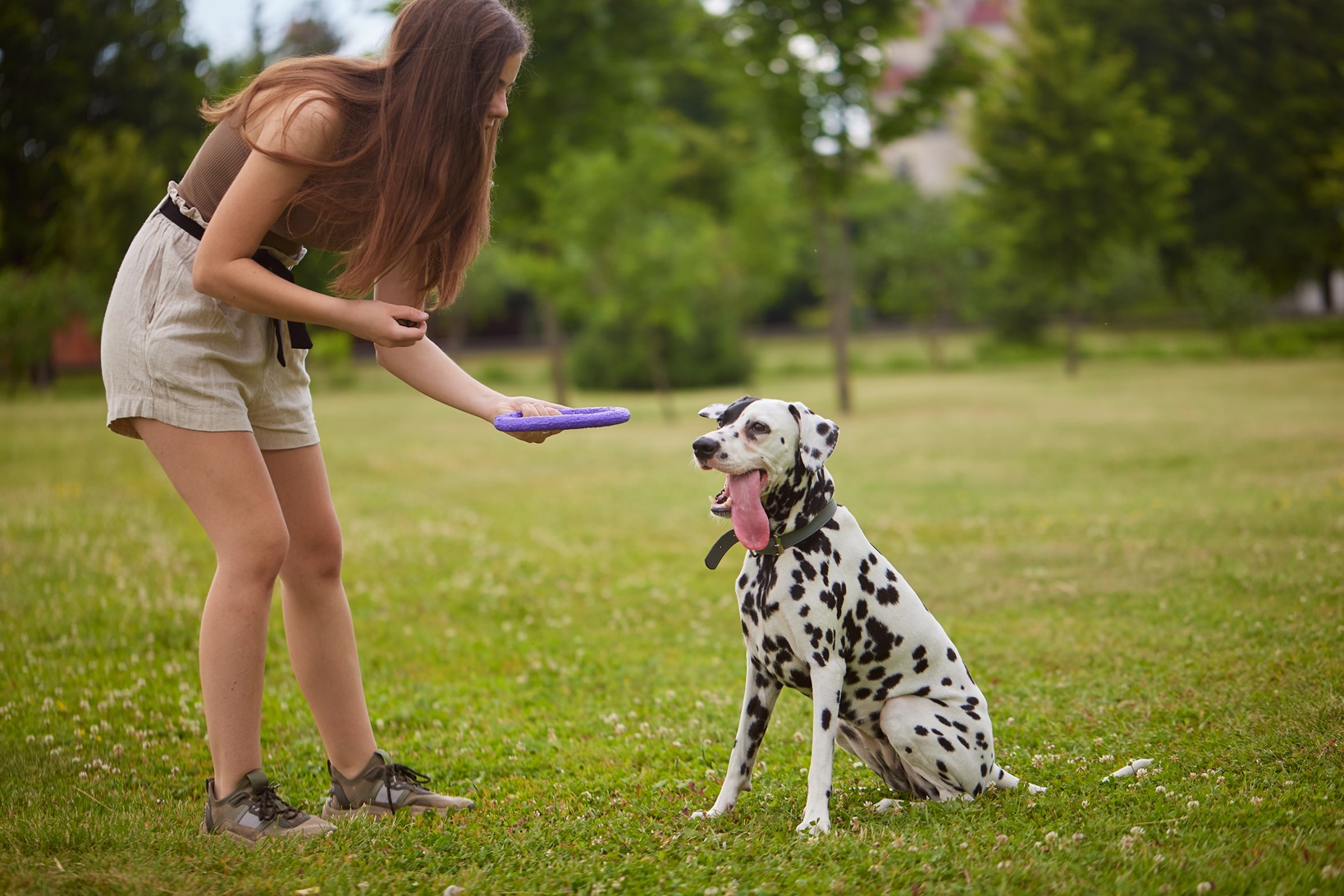
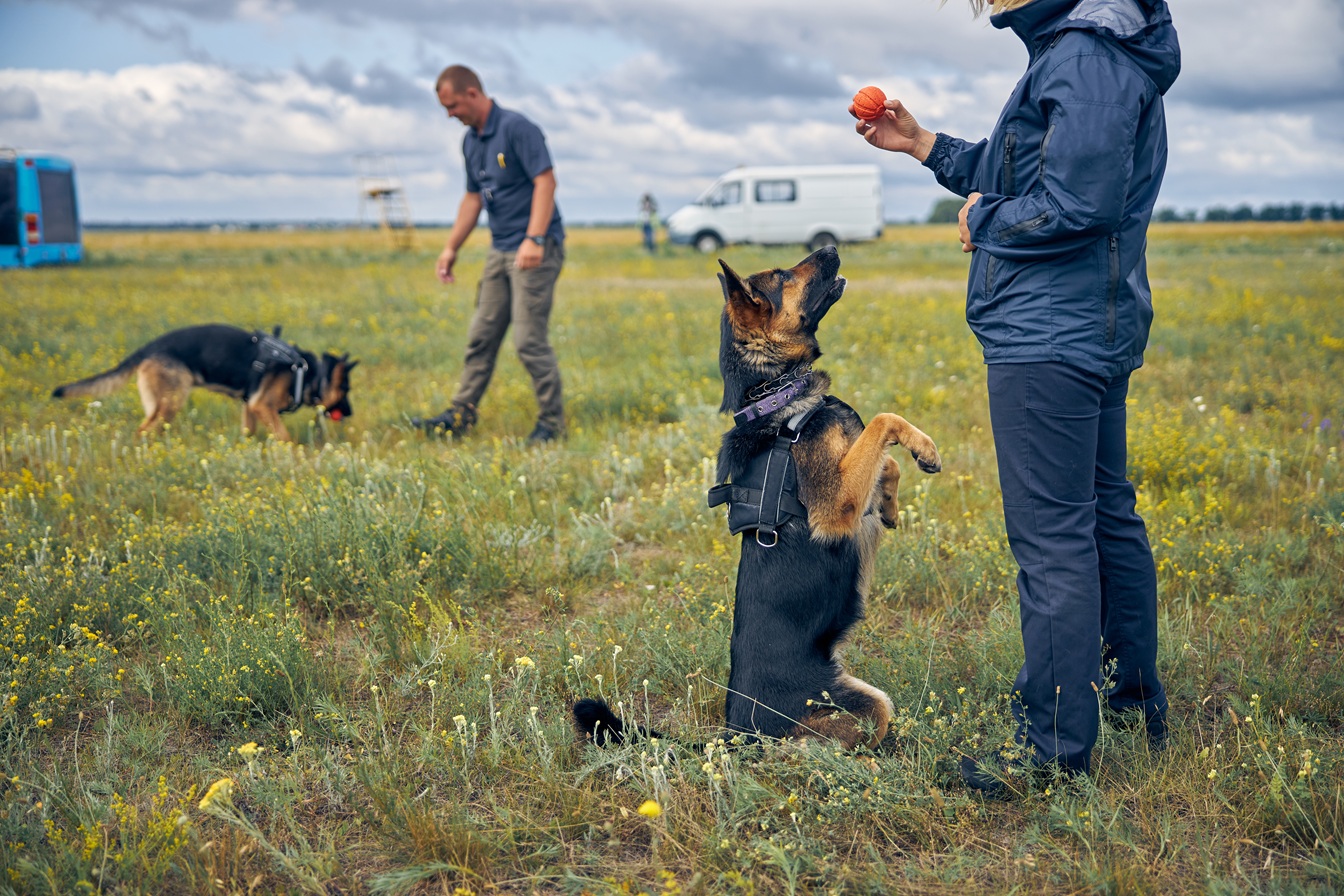
Every dog has something they value. For some, it is treats. Others are motivated by toys, praise, games, or affection. Identifying what motivates your dog makes training significantly more effective.
High-value rewards are especially useful when introducing new skills or practicing around distractions. As behaviors become more reliable, rewards can gradually become less frequent while praise continues to reinforce good choices.
Training should be enjoyable for both the dog and the owner. When learning feels rewarding, dogs remain engaged and eager to participate.
Repetition Creates Reliable Habits
Learning rarely happens after a single successful attempt. Dogs build reliable behaviors through repeated practice in different environments.
A dog that sits perfectly in the living room may struggle at the park because there are new sights, sounds, and smells competing for attention. Practicing commands in a variety of settings helps dogs generalize their training and understand that the same expectations apply everywhere.
Short training sessions repeated throughout the week are typically more effective than occasional marathon sessions.
Emotional State Matters
A dog’s emotional state has a major influence on their ability to learn. Dogs that are fearful, anxious, or overly excited often have difficulty focusing on training.
Creating a calm, structured environment helps dogs stay engaged and absorb new information. Patience also plays an important role. Every dog learns at a different pace, and rushing the process often creates unnecessary frustration for both the dog and the owner.
Understanding the psychology behind learning allows owners to work with their dog’s natural instincts instead of against them. By combining clear communication, proper timing, repetition, and positive motivation, training becomes easier, more enjoyable, and more successful for everyone involved.
Prestige Dog Training
Whether you’re dealing with basic obedience challenges or more complex behavior issues, professional training can make a lasting difference in your dog’s life. At Prestige Dog Training, programs are designed to meet dogs where they are, with customized approaches that build confidence, improve behavior, and strengthen the bond between you and your dog.
From immersive board and train programs to private lessons and group classes, the goal is simple: real results that carry over into everyday life. If you’re ready to see meaningful, lasting change, now is the perfect time to take the next step.