Starting your dog’s first training program is an exciting step toward better behavior, improved communication, and a stronger bond. Whether you’ve just brought home a new puppy or you’re working with an older dog, understanding what to expect can help you feel confident and prepared from day one. Let’s take a closer look.
The Initial Evaluation
Most professional training programs begin with an assessment. This allows the trainer to evaluate your dog’s current behavior, temperament, and skill level. They may observe how your dog responds to basic commands, new environments, and interactions with people or other dogs.
This step is important because it helps shape a training plan that’s tailored specifically to your dog. No two dogs are the same, and a personalized approach ensures better, more consistent results.
Setting Clear Goals
Once the evaluation is complete, the trainer will work with you to establish clear goals. These might include:
- Learning basic obedience commands like sit, stay, and come
- Improving leash manners
- Reducing unwanted behaviors such as jumping or barking
- Building confidence in new environments
Having defined goals gives both you and the trainer a roadmap to follow, making progress easier to track over time.
Structured Training Sessions
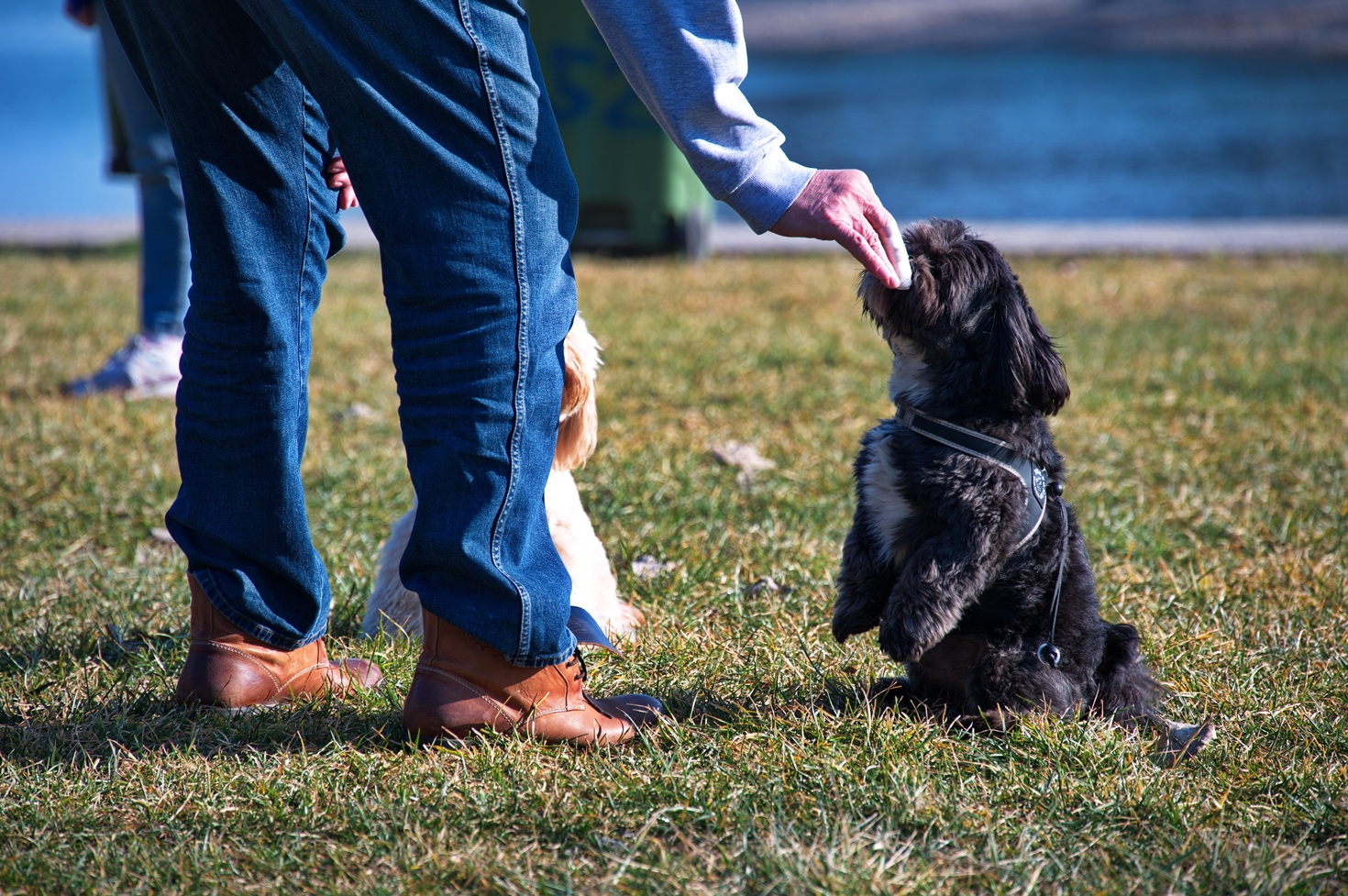
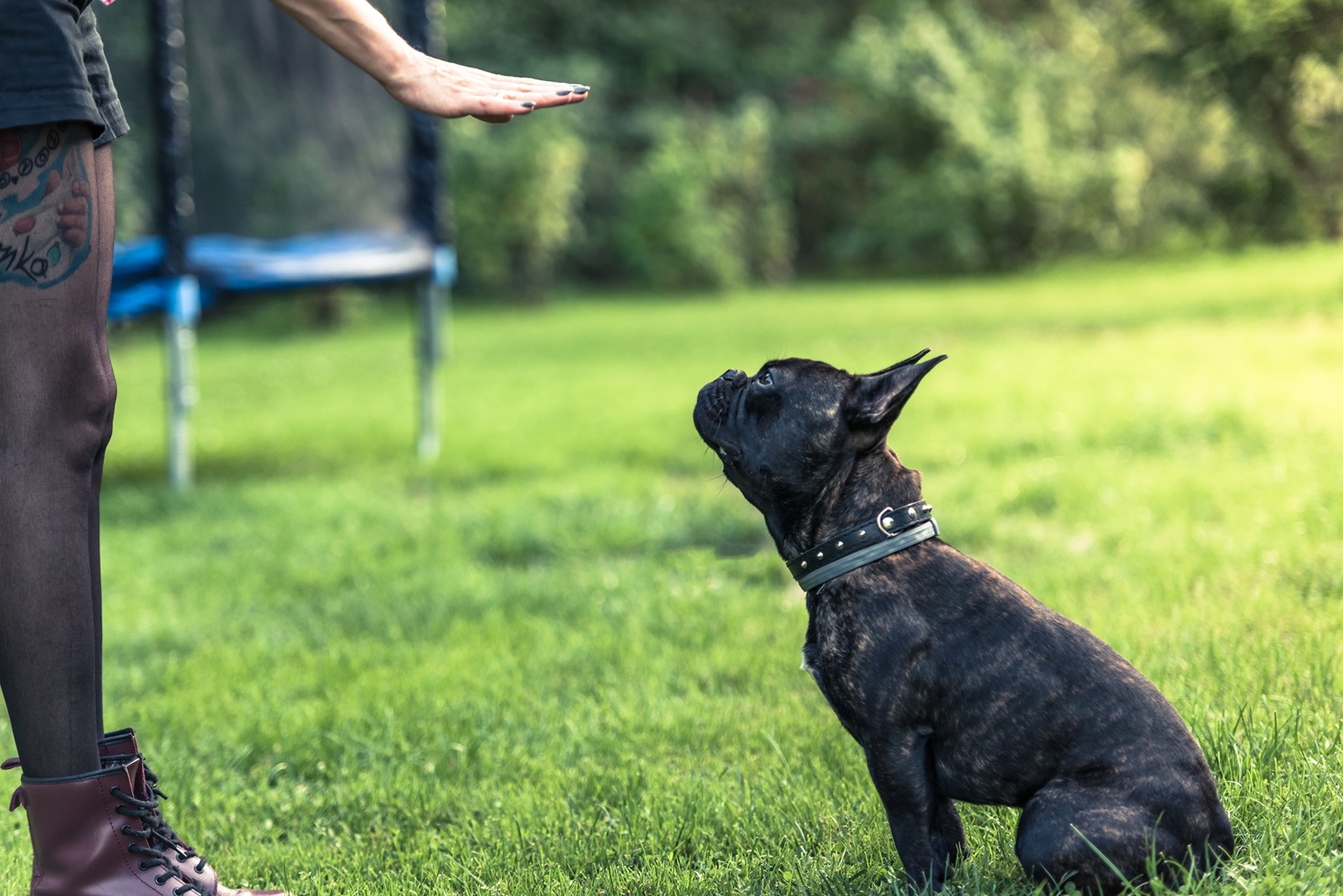
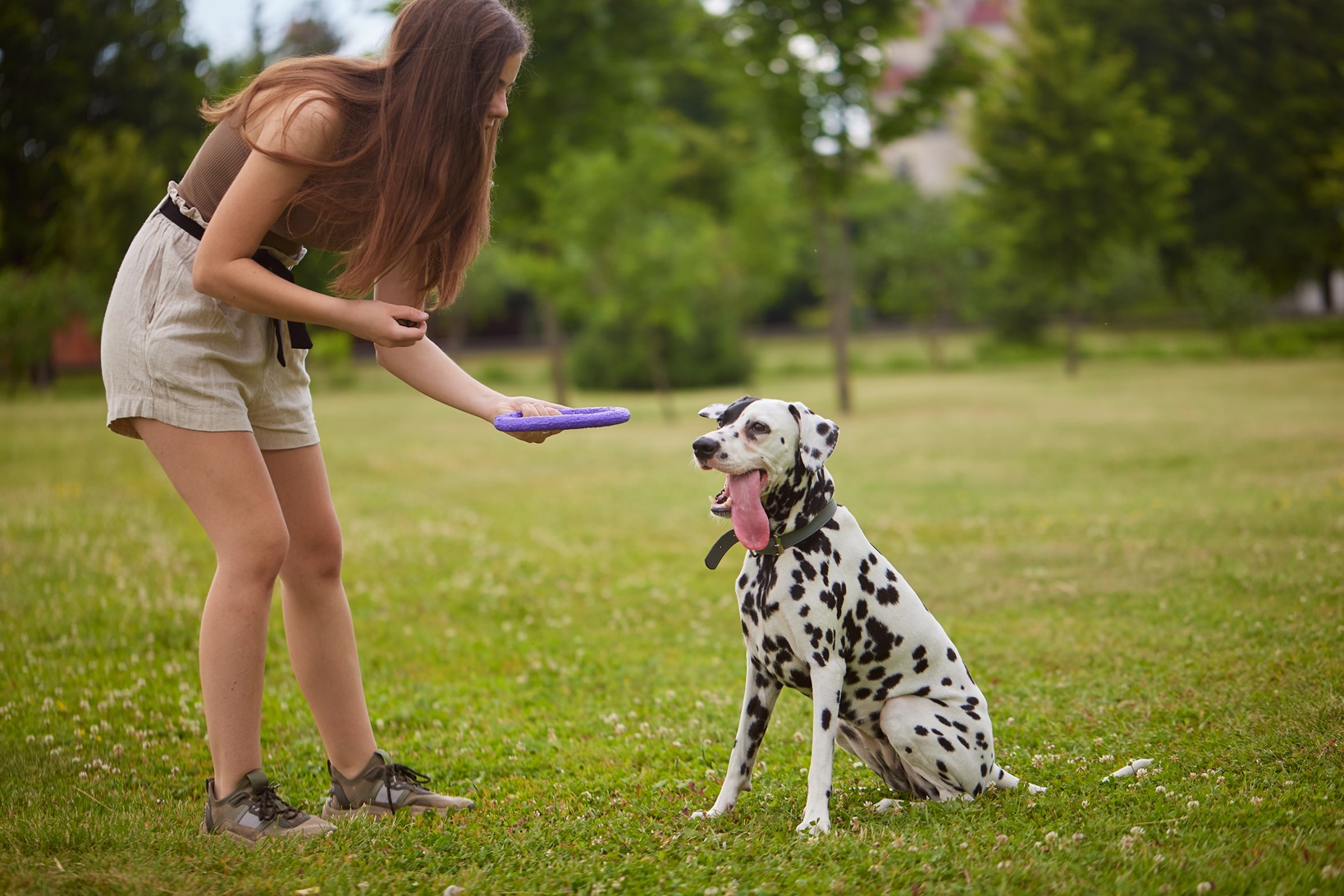
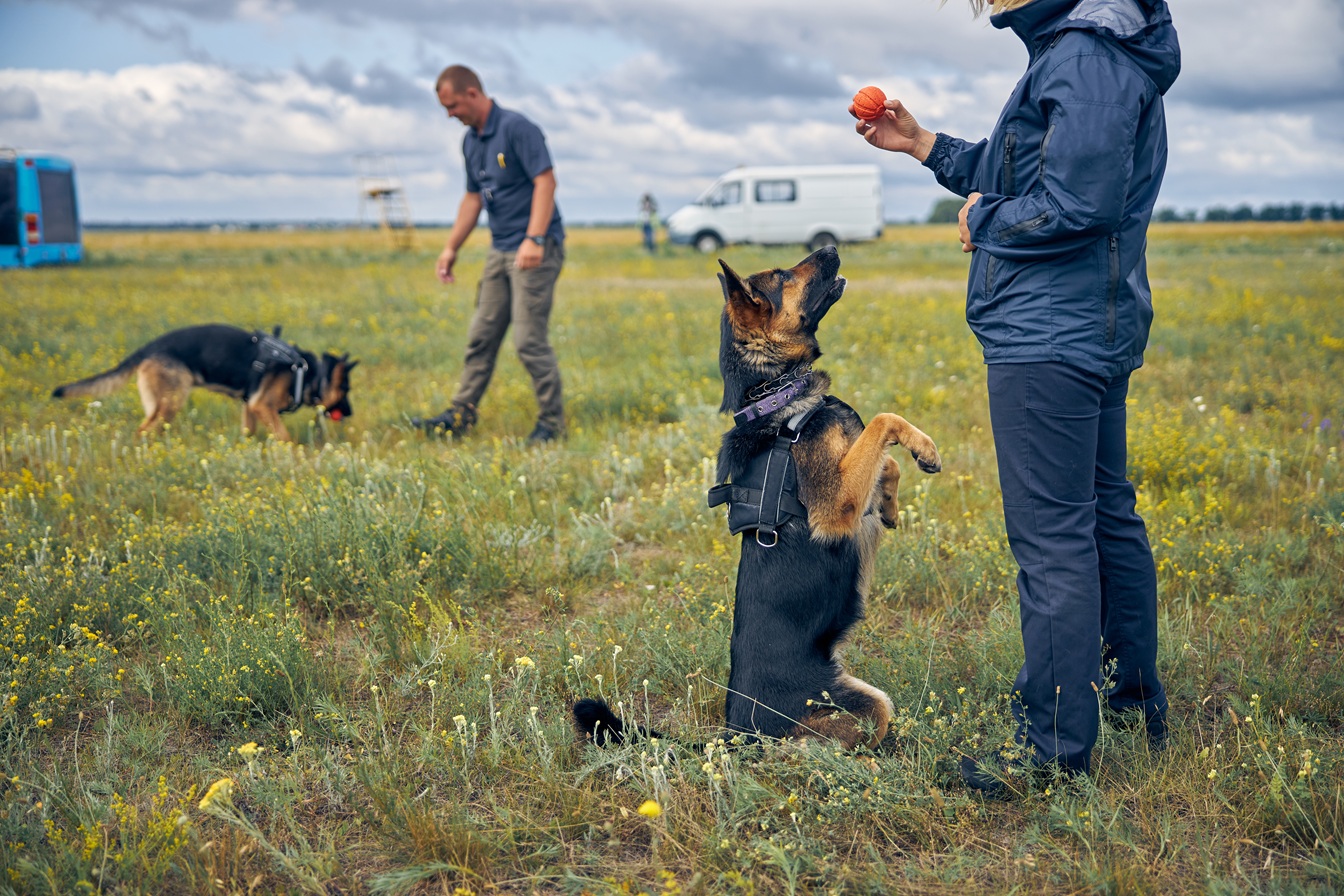
During the program, your dog will participate in structured training sessions designed to build skills step by step. These sessions are typically short, focused, and repeated regularly to reinforce learning.
Depending on the type of program, training may include:
- One-on-one instruction with a trainer
- Controlled exposure to distractions
- Practice in real-world scenarios
- Positive reinforcement to encourage desired behaviors
Consistency is key. Dogs learn best through repetition and clear communication, so you can expect training techniques to be applied the same way each time.
Building Good Habits
One of the main goals of any training program is to replace unwanted behaviors with positive ones. This doesn’t happen overnight, but with consistent practice, dogs begin to understand expectations and respond more reliably.
Early in the program, you may notice small improvements, like better focus or quicker responses to commands. Over time, these improvements build into lasting habits that carry into everyday life.
Your Role as the Owner
Even though your dog is the one being trained, your involvement is essential to long-term success. Trainers will guide you on how to reinforce commands and maintain structure at home.
You may be asked to:
- Practice commands between sessions
- Use consistent cues and rewards
- Follow specific routines or guidelines
Learning alongside your dog ensures that progress continues beyond the formal training environment.
Progress and Adjustments
As your dog moves through the program, trainers will monitor progress and make adjustments as needed. Some dogs pick up certain skills quickly but need more time with others. Flexibility in the training plan helps ensure steady improvement.
Regular updates or check-ins are often part of the process, so you’ll stay informed about how your dog is doing and what to expect next.
Prestige Dog Training
Whether you’re dealing with basic obedience challenges or more complex behavior issues, professional training can make a lasting difference in your dog’s life. At Prestige Dog Training, programs are designed to meet dogs where they are, with customized approaches that build confidence, improve behavior, and strengthen the bond between you and your dog.
From immersive board and train programs to private lessons and group classes, the goal is simple: real results that carry over into everyday life. If you’re ready to see meaningful, lasting change, now is the perfect time to take the next step.