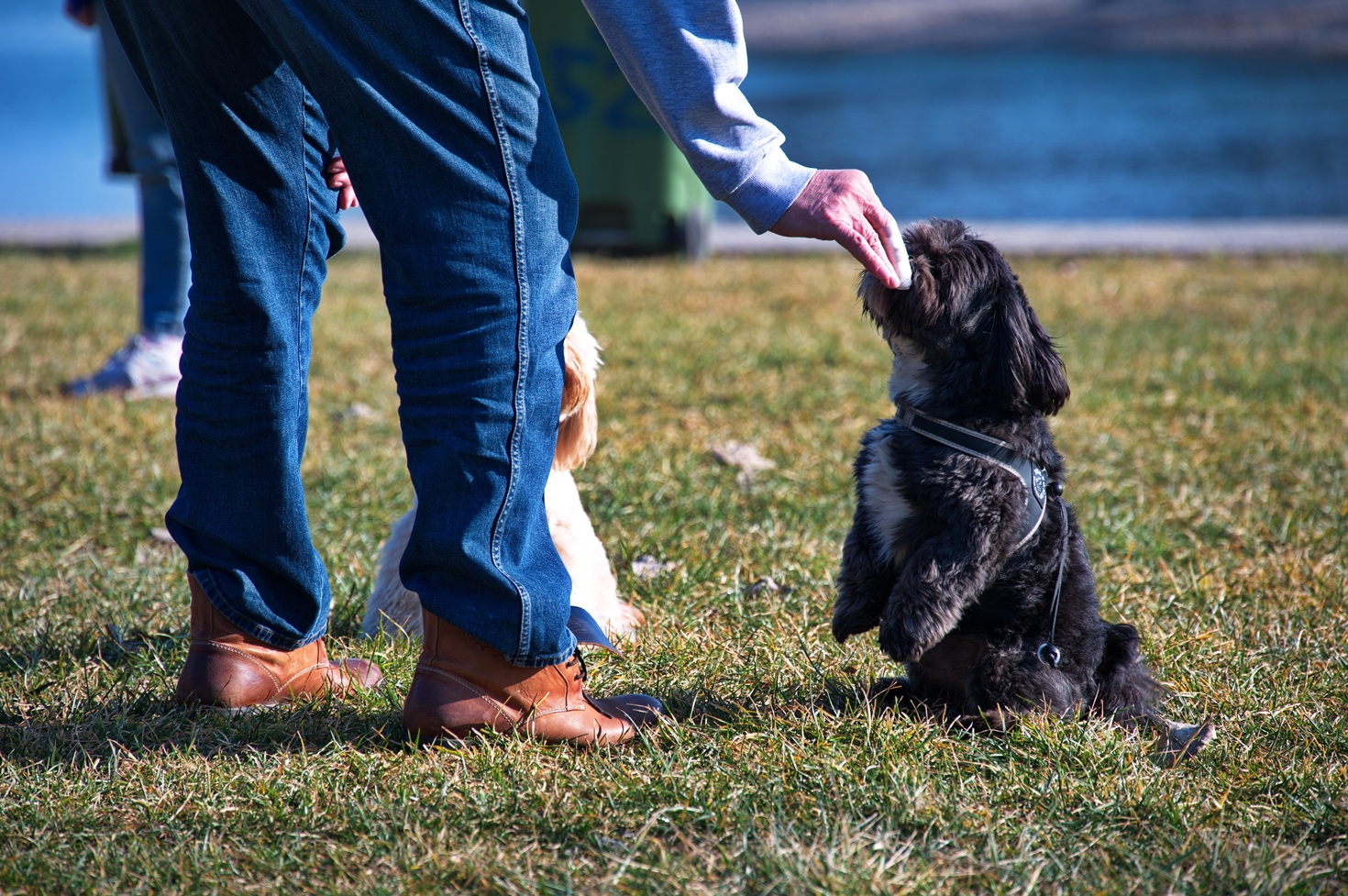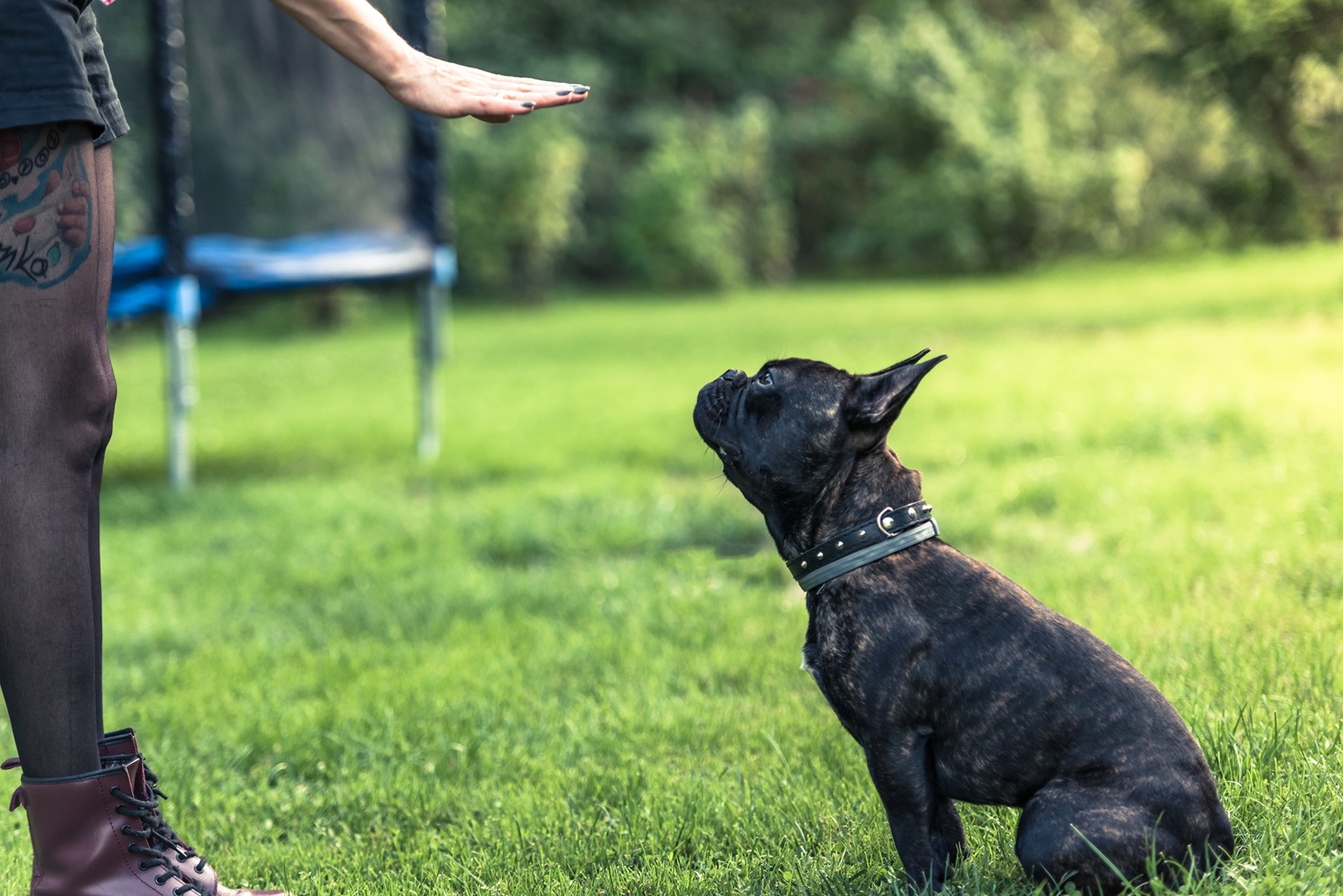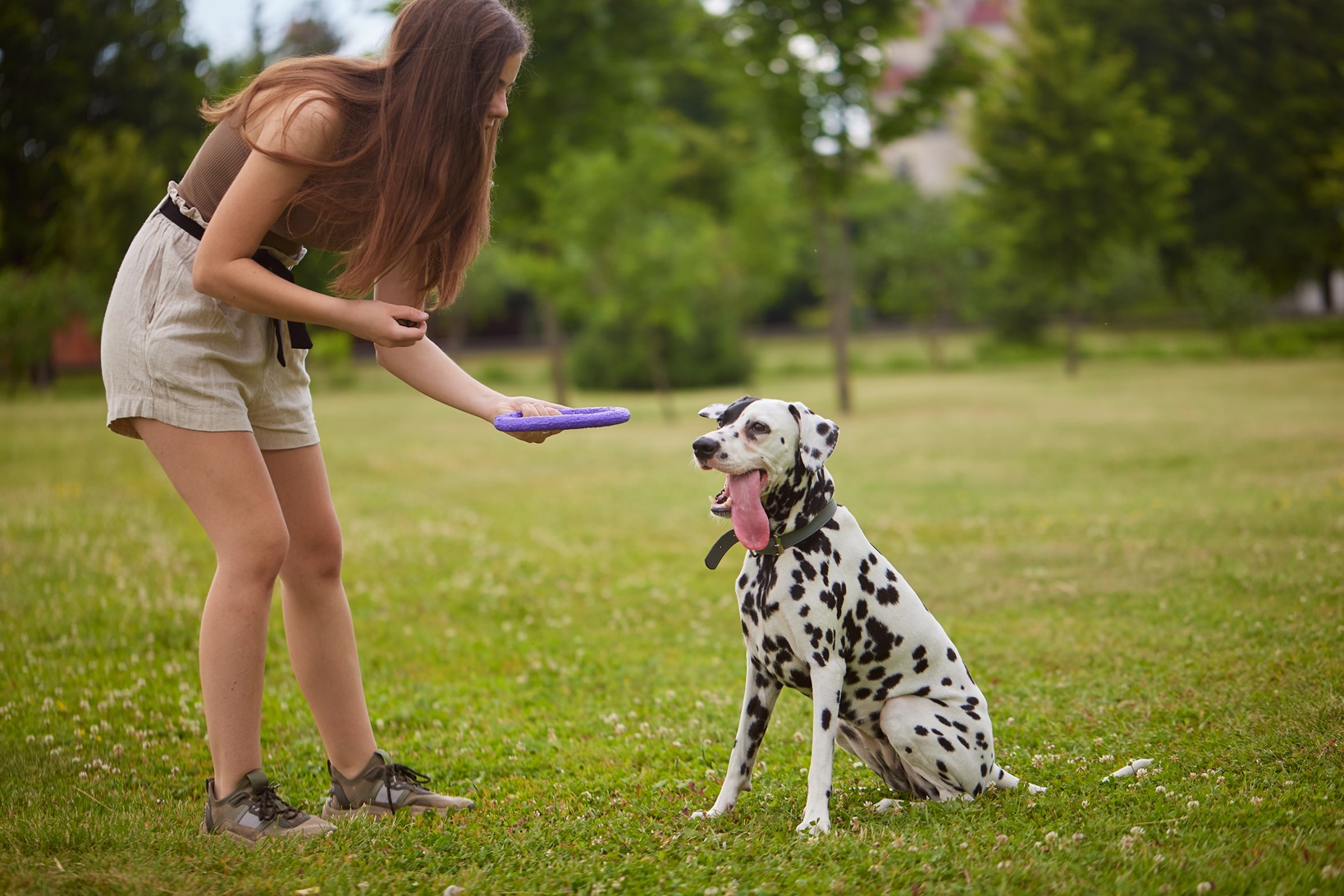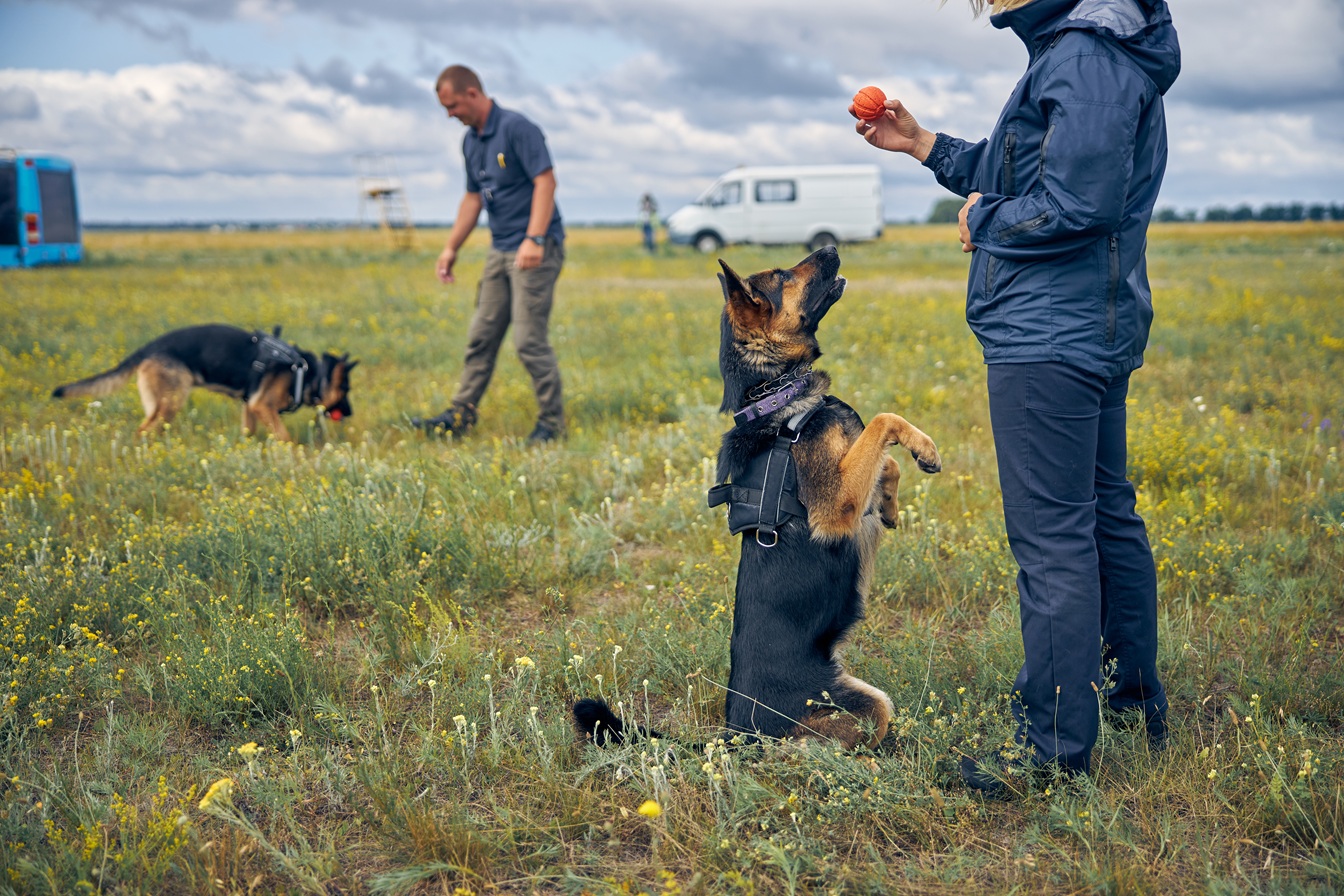
No two dogs are exactly alike, which is why effective training is never one-size-fits-all. A successful dog training program takes into account a variety of factors (from age and breed to temperament and past experiences) to create a plan that fits each individual dog.
Understanding how training is customized can help owners see why personalized programs often lead to better, longer-lasting results. Let’s take a closer look at how training programs can be customized.
Evaluating the Dog as an Individual
Every customized training program begins with an evaluation. Trainers assess a dog’s current behavior, personality, and responsiveness to different situations. Some dogs are naturally confident and eager to learn, while others may be more cautious or easily distracted.
During this process, trainers look at:
- Current obedience level
- Energy and activity needs
- Reactions to people, dogs, and new environments
- Any existing behavioral challenges
This initial evaluation sets the foundation for building a training plan that works with the dog’s natural tendencies rather than against them.
Age and Development Stage
A dog’s age plays a major role in how training is approached. Puppies, for example, are in a key learning phase and benefit from foundational training that focuses on socialization, basic commands, and building positive habits early.
Adult dogs, on the other hand, may already have established behaviors–both good and bad. Training programs for older dogs often involve reshaping habits, reinforcing obedience, and addressing specific issues that have developed over time.
By adjusting techniques based on age, trainers can ensure the learning process is both effective and appropriate.
Temperament and Personality
Just like people, dogs have unique personalities. Some are highly motivated by food or play, while others may require a more patient, gradual approach to build confidence.
A customized program takes into account whether a dog is:
- Outgoing or reserved
- Highly energetic or more laid-back
- Easily distracted or naturally focused
- Sensitive or more independent
Training methods, pacing, and rewards are all adjusted to match the dog’s personality, helping to create a more positive and productive experience.
Addressing Specific Behavior Challenges
Not all training programs are focused solely on obedience. Many dogs enter training with specific behavioral concerns that need targeted attention.
These may include:
- Leash pulling or lack of control on walks
- Jumping on people or excessive barking
- Anxiety, fear, or reactivity
- Difficulty with recall or impulse control
Customized programs allow trainers to prioritize these issues while still building a strong foundation of basic skills. This targeted approach often leads to faster and more noticeable improvements.
Adjusting the Training Environment
Another important aspect of customization is the training environment. Some dogs thrive in controlled, low-distraction settings, while others need exposure to real-world scenarios to build reliability.
Training may include:
- Quiet, focused sessions for skill-building
- Gradual introduction of distractions
- Practice in public or high-traffic areas
- Socialization with other dogs and people
By adjusting the environment throughout the program, trainers help dogs learn how to behave consistently in a variety of situations.
Involving the Owner in the Process
Customization doesn’t stop with the dog–the owner’s lifestyle, goals, and experience level are also part of the equation. Trainers work with owners to ensure the training plan fits into their daily routine and is easy to maintain at home.
This might involve:
- Teaching specific commands and techniques
- Creating manageable practice routines
- Offering guidance on reinforcing good behavior
When both the dog and owner are set up for success, training results are more likely to last over time.
Flexibility Throughout the Program
A well-designed training program is never static. As the dog progresses, trainers make adjustments to keep building on success and addressing any new challenges that arise. This flexibility ensures that the training remains effective from start to finish.
By tailoring every aspect of the program, from evaluation to execution, customized dog training helps each dog reach their full potential while creating a better experience for both the dog and their owner.
Prestige Dog Training
Whether you’re dealing with basic obedience challenges or more complex behavior issues, professional training can make a lasting difference in your dog’s life. At Prestige Dog Training, programs are designed to meet dogs where they are, with customized approaches that build confidence, improve behavior, and strengthen the bond between you and your dog.
From immersive board and train programs to private lessons and group classes, the goal is simple: real results that carry over into everyday life. If you’re ready to see meaningful, lasting change, now is the perfect time to take the next step.