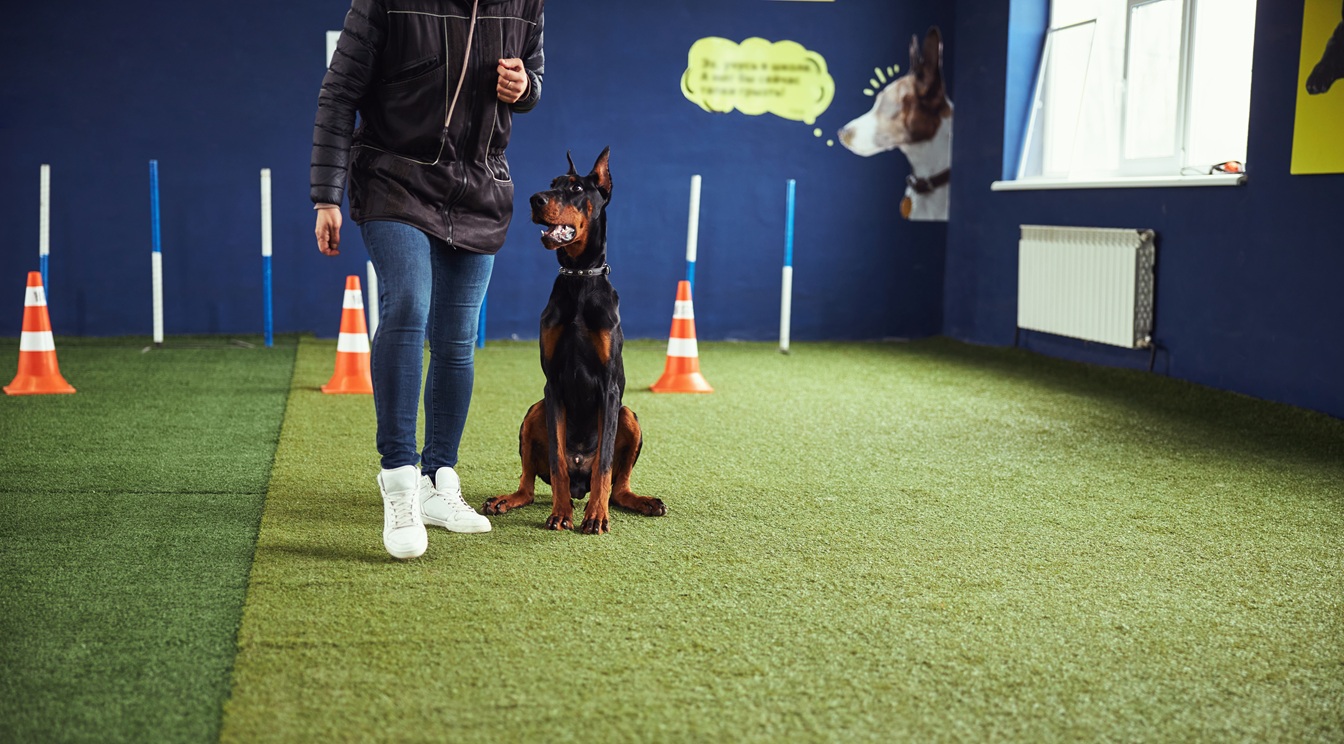
Enrolling your dog in a professional training program can be an important step toward improving obedience, addressing behavioral challenges, and building a stronger relationship with your pet. However, with so many training options available, choosing the right program requires more than simply comparing prices or locations.
Asking the right questions before enrolling can help you understand what to expect, evaluate the trainer’s experience, and determine whether a particular program is appropriate for your dog’s needs. Let’s take a look at some questions every dog owner should keep in mind when evaluating training programs.
What Training Methods Do You Use?
One of the most important questions to ask is how the trainer teaches new behaviors and addresses unwanted habits. Different dog training programs may use different approaches, including reward-based techniques, balanced training methods, and structured obedience exercises.
A professional trainer should clearly explain their philosophy, the equipment they use, and how they respond when a dog struggles with a command. Understanding these methods helps owners make informed decisions about their dog’s training experience.
What Experience Do You Have With My Dog’s Behavioral Issues?
Not every dog enters training with the same challenges. Some need basic obedience instruction, while others struggle with leash pulling, excessive barking, reactivity, separation-related behaviors, or difficulty following commands.
Ask whether the trainer has experience working with dogs exhibiting similar behaviors. An experienced professional should be able to discuss realistic training goals and explain how the program may address your dog’s specific needs.
Which Training Program Is Best for My Dog?
Professional dog training facilities often offer several options, including private lessons, group classes, day training, and board and train programs. Each format provides different benefits depending on the dog’s temperament, behavior, and the owner’s availability.
For example, private lessons may benefit dogs requiring individualized attention, while group classes can provide opportunities to practice obedience around controlled distractions. Board and train programs may offer more intensive instruction over a designated period.
Ask why a particular program is recommended rather than automatically choosing the most convenient option.
How Long Will Training Take?
Training timelines vary based on the dog’s age, previous experiences, behavioral challenges, and consistency. While some basic obedience skills can improve relatively quickly, more complex behavioral issues may require additional time and ongoing practice.
Ask how long the program lasts, what skills will be covered, and what level of progress is realistic. Be cautious of programs that guarantee immediate results or promise that every behavioral problem will disappear.
How Are Dog Owners Involved in the Process?
Successful dog training requires consistency between professional instruction and everyday life at home. Even when a dog learns commands from a trainer, owners must understand how to communicate expectations and reinforce those skills.
Ask whether the program includes owner lessons, demonstrations, progress updates, or take-home instructions. For board and train programs, find out how trainers help transfer learned behaviors to the owner before the dog returns home.
What Safety Measures Are in Place?
Safety should be a priority in any professional dog training program, particularly when multiple dogs participate or overnight boarding is involved. Ask about supervision, vaccination requirements, emergency procedures, and how dogs are separated when necessary.
It is also important to understand how trainers handle fearful, reactive, or overwhelmed dogs. A responsible program should prioritize appropriate management and avoid forcing dogs into situations beyond their current abilities.
What Happens After the Training Program Ends?
Professional training does not eliminate the need for continued practice. Dogs benefit from regular reinforcement, consistent expectations, and opportunities to apply their skills in everyday situations.
Before enrolling, ask whether follow-up lessons, refresher sessions, or additional owner guidance are available. Understanding the support provided after graduation can help you maintain your dog’s progress and build on the foundation established during training.
Prestige Dog Training
Whether you’re dealing with basic obedience challenges or more complex behavior issues, professional training can make a lasting difference in your dog’s life. At Prestige Dog Training, programs are designed to meet dogs where they are, with customized approaches that build confidence, improve behavior, and strengthen the bond between you and your dog.
From immersive board and train programs to private lessons and group classes, the goal is simple: real results that carry over into everyday life. If you’re ready to see meaningful, lasting change, now is the perfect time to take the next step.