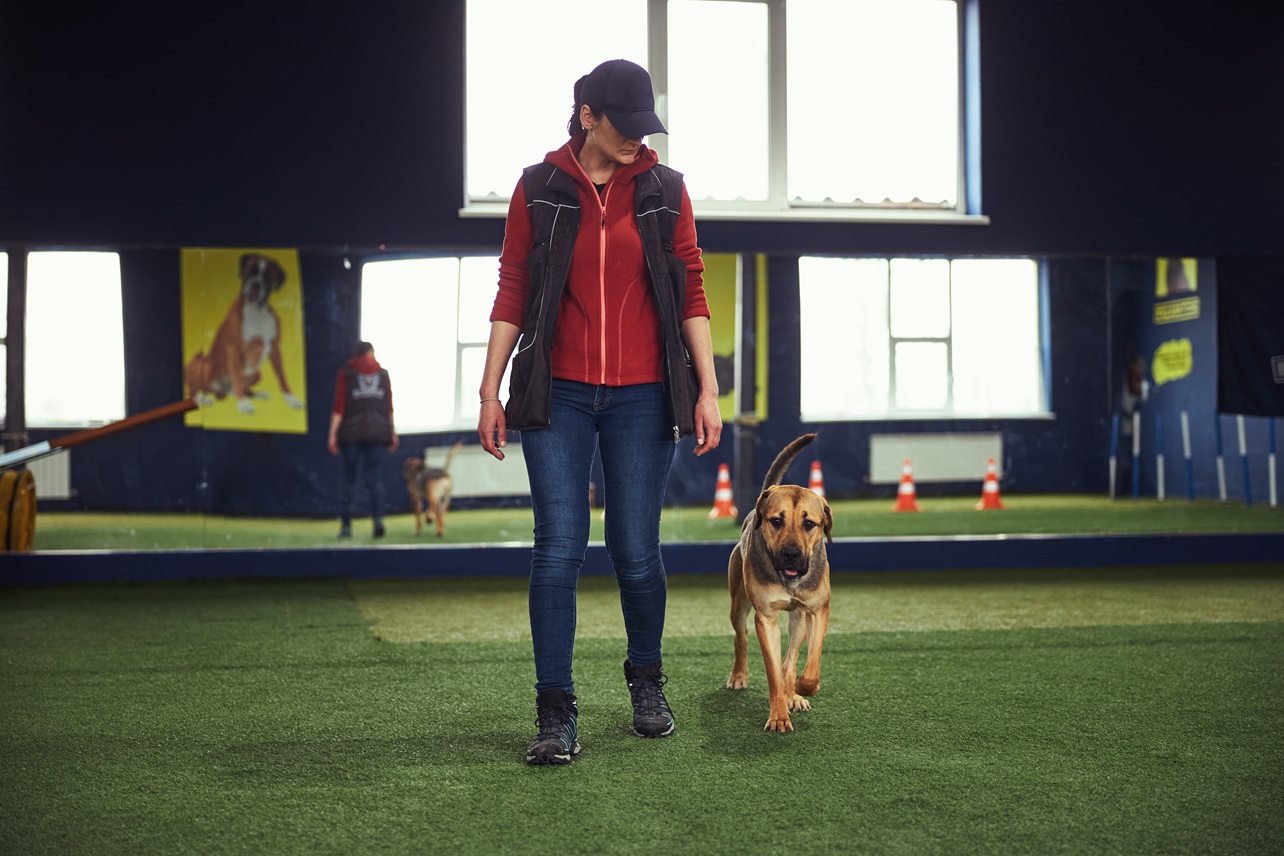
Choosing the right dog training facility is an important decision that can influence your dog’s behavior, confidence, and long-term development. Whether you are considering basic obedience classes, private lessons, or a board and train program, the environment and quality of instruction can make a significant difference in your dog’s experience.
Not all dog training facilities offer the same services, training methods, or level of individual attention. Understanding what to look for can help you select a program that meets your dog’s needs while giving you confidence in the training process.
Experienced and Knowledgeable Dog Trainers
One of the first things to evaluate is the experience and qualifications of the trainers. Professional dog trainers should understand canine behavior, learning principles, communication, and techniques for addressing common behavioral challenges.
Ask about their experience working with different breeds, ages, temperaments, and behavioral concerns. A qualified trainer should also be able to explain their training philosophy, demonstrate techniques, and answer questions about how they approach specific behaviors.
A Clean, Safe, and Well-Maintained Environment
The physical condition of a dog training facility can tell you a lot about how it operates. Training areas should be clean, organized, and designed to minimize unnecessary risks to dogs and handlers.
Look for secure fencing, appropriate ventilation, comfortable temperatures, and sufficient space for training activities. Facilities offering board and train programs should also provide clean sleeping areas, regular sanitation, and appropriate supervision.
Safety procedures are equally important. Ask how the facility handles emergencies, prevents conflicts between dogs, and manages animals with different behavioral needs.
Training Programs Tailored to Individual Dogs
Every dog has a unique personality, learning style, and behavioral history. A quality dog training facility should recognize these differences rather than relying on an identical approach for every animal.
Some dogs may need help developing basic obedience skills, while others require more focused attention on leash reactivity, impulse control, or confidence building. Trainers should evaluate each dog’s needs and recommend a program that addresses specific goals.
Individualized instruction can help dogs progress at an appropriate pace while avoiding unnecessary frustration.
Clear Communication and Owner Involvement
Professional dog training should involve more than teaching commands while the owner is absent. Owners need to understand how to maintain their dog’s progress and reinforce appropriate behaviors after training sessions end.
Look for facilities that provide regular updates, explain training techniques, and offer opportunities for owners to participate in the learning process. Board and train programs should include guidance on transferring learned skills into the home environment.
Clear communication also means setting realistic expectations about training timelines, potential challenges, and achievable results.
Appropriate Socialization and Controlled Distractions
A professional training facility should provide opportunities for dogs to practice obedience around real-world distractions. Learning to respond to commands around other dogs, unfamiliar people, and changing environments can help improve reliability.
However, socialization should always be structured and appropriate for each dog’s comfort level. Simply placing multiple dogs together does not guarantee positive social experiences, particularly for fearful or reactive animals.
Transparency About Training Methods and Progress
Reputable dog training facilities should be open about the equipment, methods, and techniques they use. Owners should feel comfortable asking questions about how behaviors are taught, reinforced, and corrected.
Facilities should also provide realistic progress updates rather than promising immediate or guaranteed results. Training success depends on several factors, including the dog’s temperament, behavioral history, consistency, and continued practice at home.
A facility that prioritizes transparency, safety, and owner education can help establish a strong foundation for lasting behavioral improvements.
Prestige Dog Training
Whether you’re dealing with basic obedience challenges or more complex behavior issues, professional training can make a lasting difference in your dog’s life. At Prestige Dog Training, programs are designed to meet dogs where they are, with customized approaches that build confidence, improve behavior, and strengthen the bond between you and your dog.
From immersive board and train programs to private lessons and group classes, the goal is simple: real results that carry over into everyday life. If you’re ready to see meaningful, lasting change, now is the perfect time to take the next step.