When a dog begins jumping on guests, pulling on the leash, barking excessively, or ignoring commands, it can be tempting to assume the behavior is just a phase. This is especially common with puppies and adolescent dogs. Owners may hope their dog will eventually calm down and simply grow out of the problem.
While age and maturity can influence behavior, waiting alone is rarely an effective training strategy. Dogs learn through experience and repetition. When an unwanted behavior continues to work for them, they have little reason to stop doing it.
Dogs Are Always Learning
Training does not only happen during structured sessions. Dogs learn from their environment every day.
Consider a dog that jumps when greeting people. If jumping consistently results in attention, petting, or excitement, the dog may learn that jumping is an effective way to interact with people. Even if the owner occasionally says “no,” the attention the dog receives may still reinforce the behavior.
The longer a behavior is practiced, the more established it can become. Addressing unwanted behaviors early gives owners an opportunity to teach appropriate alternatives before those habits become part of the dog’s normal routine.
Some Behaviors Become More Difficult With Age
A behavior that seems manageable in a small puppy may become a serious challenge when that puppy reaches adulthood.
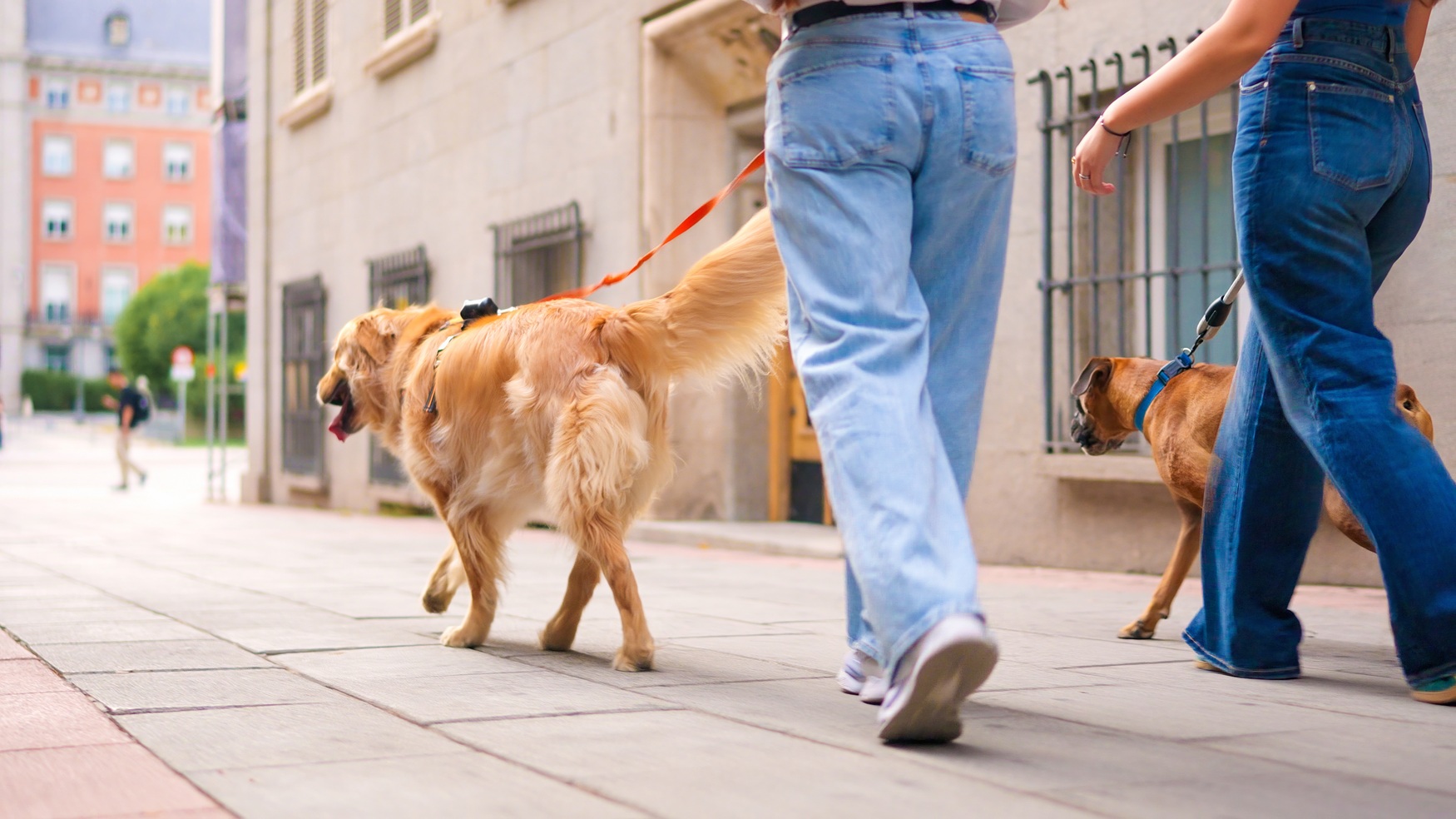
Leash pulling is a good example. A 15-pound puppy pulling toward another dog may be relatively easy to control. The same behavior from a 70-pound adult dog can make walks frustrating or potentially unsafe.
Jumping, mouthing, stealing objects, rushing through doors, and ignoring recall can create similar problems as dogs become larger, stronger, and more confident.
Early training helps establish expectations while these behaviors are still developing.
Waiting Can Allow Fear and Reactivity to Grow
Not every behavior problem is related to manners. Fear, anxiety, and reactivity can also become more established without appropriate intervention.
A dog that repeatedly reacts to unfamiliar people, other dogs, loud sounds, or certain environments may continue practicing that response every time the trigger appears. Simply exposing the dog to the same stressful situation repeatedly does not necessarily teach them to become comfortable with it.
Training can help owners identify triggers, manage situations more effectively, and gradually teach alternative responses.
Training Teaches Dogs What to Do Instead
One limitation of simply correcting unwanted behavior is that the dog may still not understand what is expected.
Effective training focuses on teaching an alternative.
Instead of only discouraging jumping, owners can teach a dog to sit when greeting someone. Rather than constantly pulling a dog away from distractions, leash training can teach the dog to remain engaged with the handler. A dog that steals household objects can learn cues such as “leave it” and “drop it.”
Providing clear alternatives makes expectations easier for dogs to understand.
Consistency Helps Create Lasting Change
Behavior change takes repetition. One successful training session usually will not eliminate a habit that a dog has practiced for months.
Owners need to consistently reinforce desirable behaviors while managing situations that encourage unwanted ones. Everyone in the household should also follow similar rules whenever possible. If one person discourages jumping while another rewards it with attention, progress can become much more difficult.
Dogs can absolutely learn new behaviors at different ages, but waiting for problems to disappear on their own can allow them to become increasingly established. Proactive, consistent training gives dogs clear expectations and helps turn better choices into everyday habits.
Prestige Dog Training
Whether you’re dealing with basic obedience challenges or more complex behavior issues, professional training can make a lasting difference in your dog’s life. At Prestige Dog Training, programs are designed to meet dogs where they are, with customized approaches that build confidence, improve behavior, and strengthen the bond between you and your dog.
From immersive board and train programs to private lessons and group classes, the goal is simple: real results that carry over into everyday life. If you’re ready to see meaningful, lasting change, now is the perfect time to take the next step.