Dog training methods can sometimes sound complicated, especially when terms such as positive reinforcement, corrections, rewards, and balanced training are used. For dog owners researching professional training, understanding these approaches can make it easier to know what to expect.
Balanced dog training is an approach that uses both rewards and appropriate corrections to teach dogs which behaviors are encouraged and which behaviors are not. The goal is to create clear communication, consistent expectations, and reliable behavior that carries over into everyday life. Let’s take a closer look.
How Does Balanced Dog Training Work?
Balanced training is based on the idea that dogs learn through consequences. Behaviors that produce positive outcomes are more likely to be repeated, while unwanted behaviors can be discouraged through appropriate feedback.
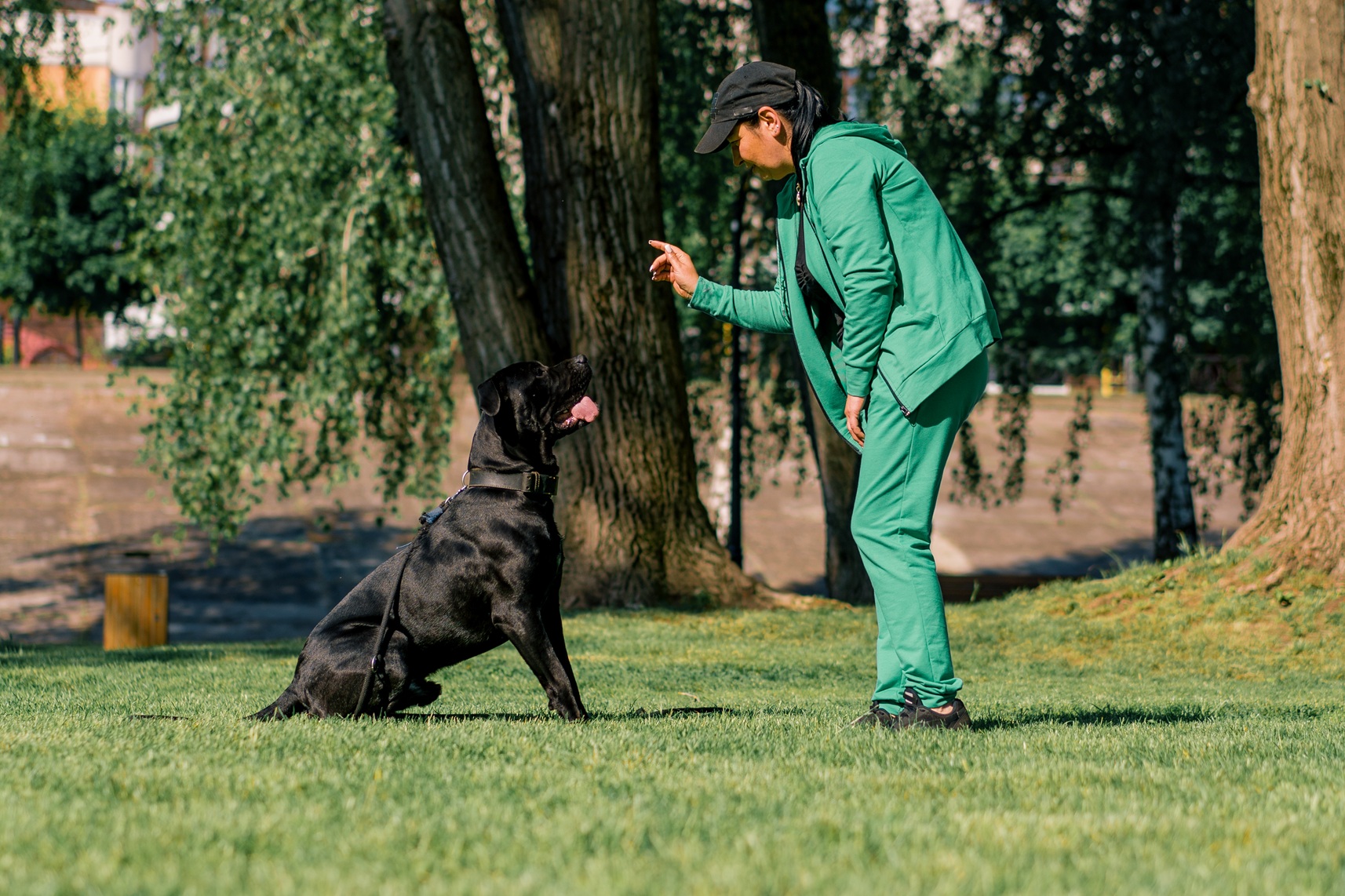
For example, a dog may receive praise, food, toys, or play for responding correctly to a command. If the dog ignores a known command or performs an unwanted behavior, the trainer may use an appropriate correction to communicate that the behavior is not acceptable.
The specific techniques used can vary depending on the dog, its temperament, and the behavior being addressed.
The Role of Positive Reinforcement
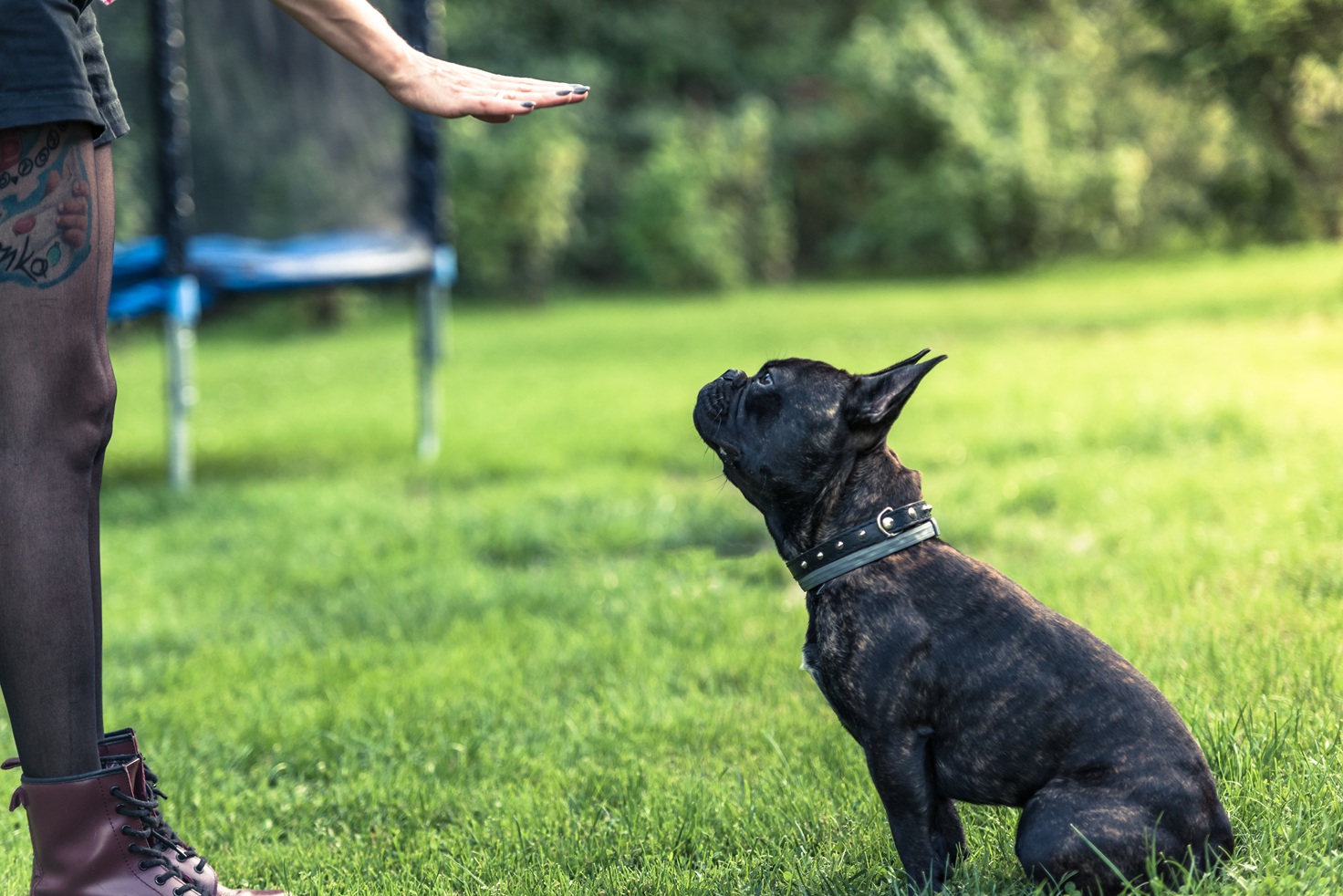
Rewards are an important part of balanced dog training. When a dog performs the desired behavior, positive reinforcement helps the dog understand exactly what it did correctly.
Food rewards are often useful when teaching new commands because they can motivate dogs and make training enjoyable. Praise, affection, toys, and access to activities the dog enjoys can also serve as rewards.
As the dog becomes more familiar with a skill, trainers can gradually introduce distractions and more challenging environments while continuing to reinforce good decisions.
What Are Corrections in Dog Training?
The word “correction” can sometimes create confusion. In balanced training, a correction is intended to provide clear feedback rather than simply punish a dog.
Corrections should be appropriate for the individual dog, the situation, and the behavior. Timing is also important. Dogs need to understand which specific behavior resulted in the feedback.
Professional trainers may use different tools and techniques depending on the dog’s needs. Any training tool should be used correctly, responsibly, and with an understanding of how the individual dog responds.
Why Consistency Matters
Balanced dog training relies heavily on consistency. If a behavior is allowed one day but discouraged the next, the dog may struggle to understand what is expected.
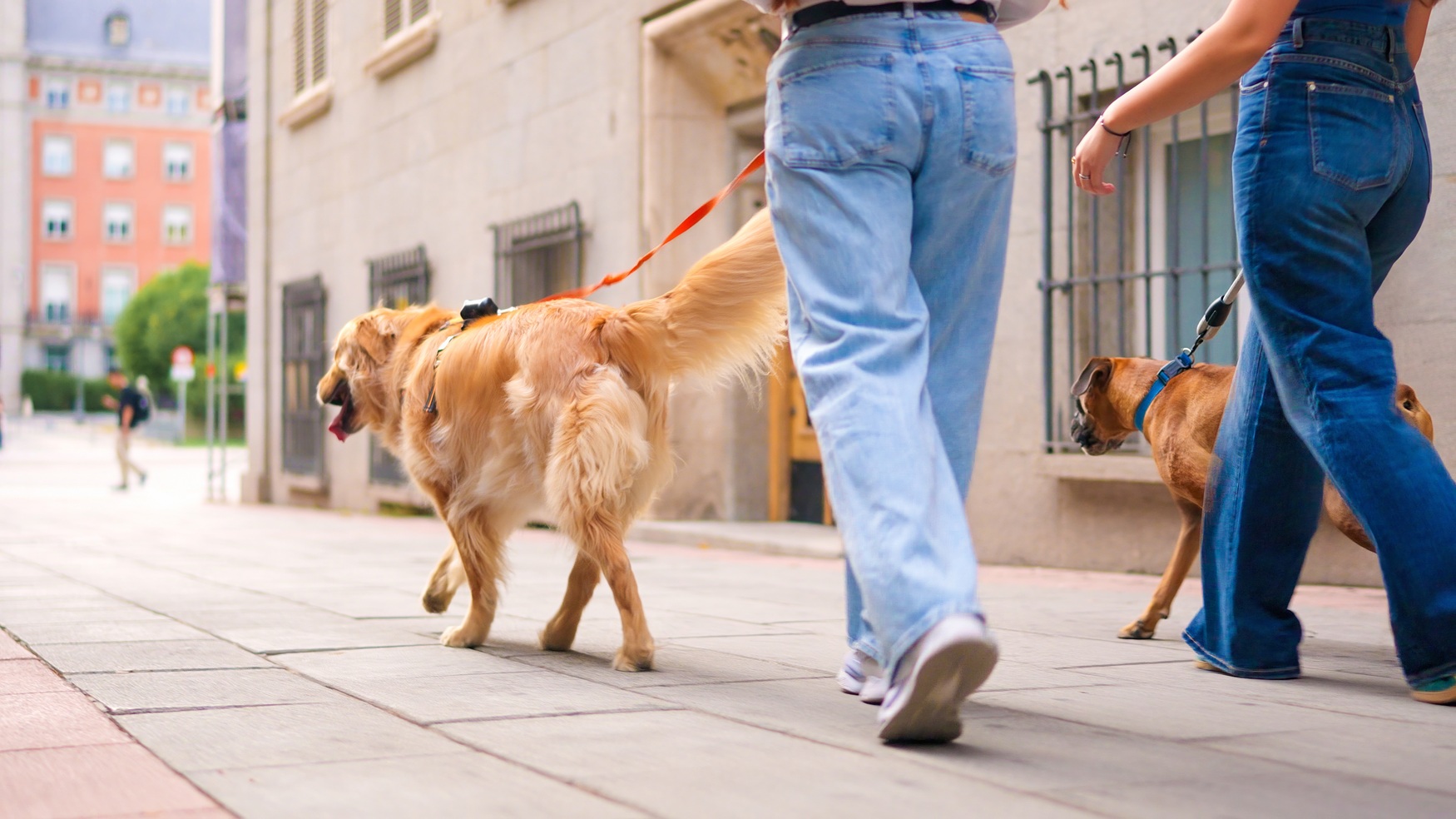
Everyone interacting with the dog should ideally follow similar rules and commands. Consistency can be especially important with everyday behaviors such as jumping on guests, pulling on the leash, rushing through doors, or ignoring commands around distractions.
Clear expectations help dogs understand how to make better choices.
Training for Real-World Situations
A dog may perform perfectly in a quiet training environment but struggle when faced with another dog, visitors, traffic, wildlife, or unfamiliar surroundings.
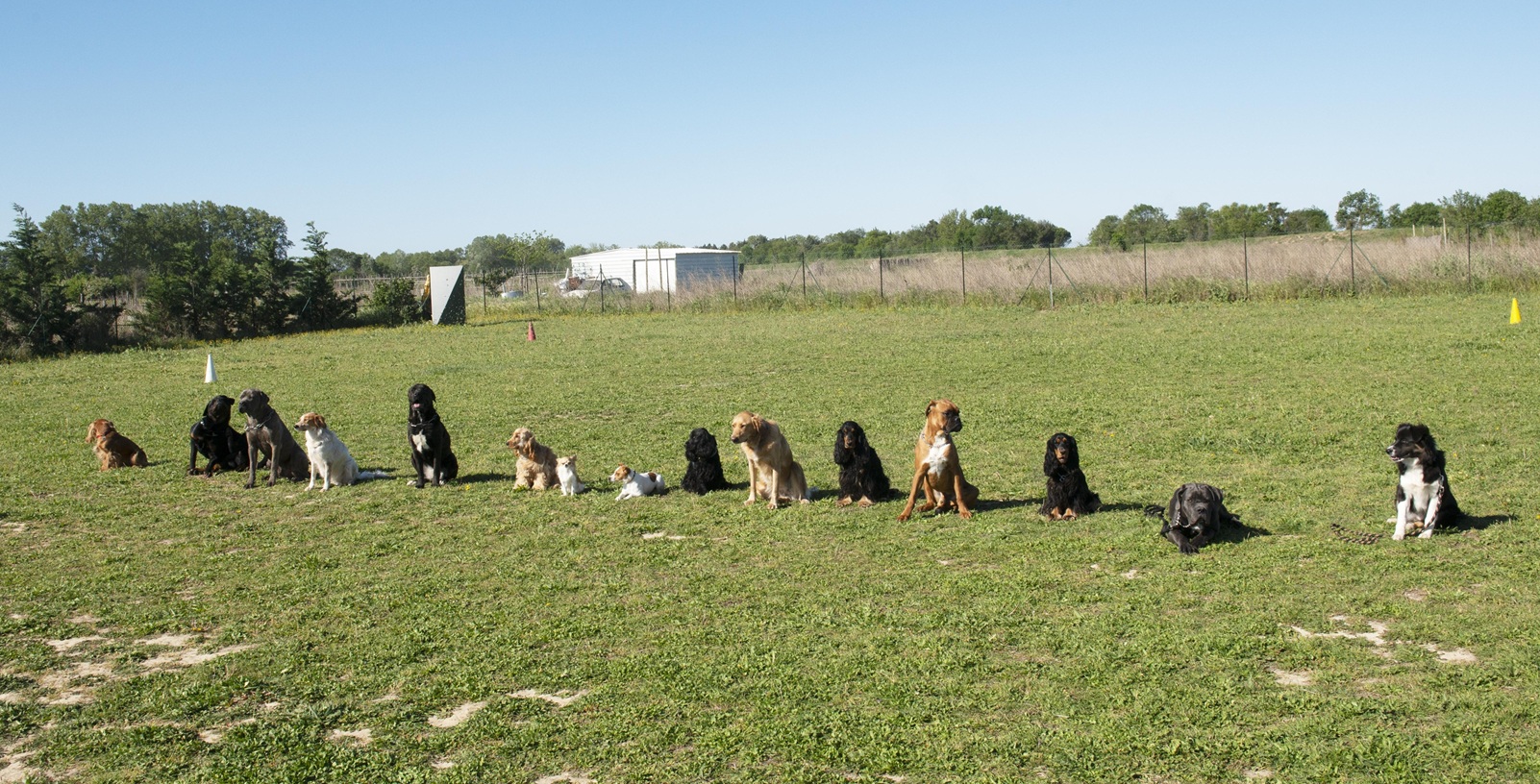
Balanced training often emphasizes gradually introducing these real-world distractions. Dogs can practice skills such as sit, stay, place, recall, and loose-leash walking under increasingly challenging circumstances.
This progression helps move obedience beyond simply knowing commands. The objective is for the dog to understand and respond reliably when those skills are actually needed.
Every Dog Is Different
There is no single training technique that works exactly the same way for every dog. Age, breed, temperament, motivation, previous experiences, and behavioral challenges can all affect how a dog responds to training.
A balanced approach allows training to be adjusted to the individual dog. By combining motivation, structure, clear communication, and consistent expectations, owners can help their dogs develop reliable behaviors that translate into everyday life.
Prestige Dog Training
Whether you’re dealing with basic obedience challenges or more complex behavior issues, professional training can make a lasting difference in your dog’s life. At Prestige Dog Training, programs are designed to meet dogs where they are, with customized approaches that build confidence, improve behavior, and strengthen the bond between you and your dog.
From immersive board and train programs to private lessons and group classes, the goal is simple: real results that carry over into everyday life. If you’re ready to see meaningful, lasting change, now is the perfect time to take the next step.